Wednesday, August 16, 2006


Well friends, summers just about coming to and end for me. I can't say that the deserts of SoCal are 'calling me,' but my contract with Naturalists-At-Large sure is. The summer climbing and hiking adventures in the North Cascades are still fresh in my mind as I compute away here in Bend. Driving over from Portland, past Mount Hood, the Oregon mountains seemed more dry than usual - but I have yet to pin that on climate or my mind's immersion in the lush, glacial, and wild northerner regions of the range. The North Cascades are (obviously) nothing like those of my hometown Central Oregon volcanoes. It was great to see again, the stratavolcanoes, alone on the horizon, not fighting for space amongst the other mountains of the land

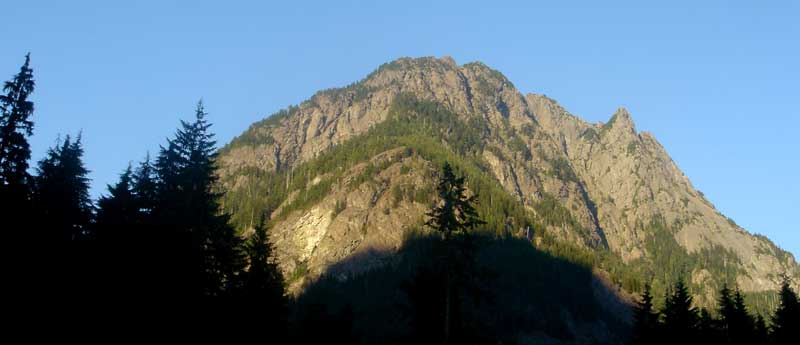
The last big adventure - besides the incredible four night Summer Meltdown Music Festival last weekend - was Michelle and I's one-day ascent of Mount Kangaroo Temple.

For my climbing geek friends: we climbed the Northwest face which is, according to Beckey who made the first ascent in 1946, Grade II, 5.7. What was novel about our climb is that we approached via the Twisp River trail rather than via Washington Pass. It made for a long day, but meant great trailhead
camping and some fun and beautiful off-trail travel through Kangaroo Basin. After about 14 hours of climbing, hiking, and scrambling we return to our camp. The climbing was really fun, though the Beckey topo was pretty useless (though the written description was helpful). I lead the route in three steep 5.7 pitches and shortroped (unnessecarily) the last couple hundred feet.

Thursday, August 10, 2006


Wing Lake Welcomes Us but Black Peak Turns Us Back

Ahhh...the North Cascades. I can hardly believe over a week has gone by since Michelle and I started our post-summer-work mountain adventure. Eight days in the expansive rugged range has gone by since we left Bellingham for the mountainside towns of Marblemount, Winthrop, and Twisp. I launched into the North Cascade National Park before that still and one thing is certain – only a tip of the iceberg that is the North Cascade mountains has been revealed. The mountains are big, the rivers and roads are long, and the small towns friendly and diverse. It's tough work investigating the intricacies of the one of the wildest region of the U.S. - but here's what we have so far.

Bellingham is always a welcome resupply stop. For the North Cascades adventurer it is perfect port of entry. Prices are always right in Bellingham. There is, without question, something happening the night your in town. And while its not considered 'on the way' it feels as if there is always reason to go there. So, keeping NW Washington tradition, we left B-ham early last week with full food bags, full tummies, and sleepy eyes leftover from the evening revelry.

Next stop: Marblemount – the true portal to the north North Cascades. Here you'll find the best map selection of any Ranger Station on the west coast, essential permits, and last-minute country stores and eateries. But our sights were set high and we lingered only briefly in the lowlands before beginning the climb up Highway 20 towards Washington Pass. We drove past Diablo Lake and countless trailheads, past Mount Colonial and into the mountain hemlock, to the top of the pass and a busy parking area. The trail to Lake Ann, Heather Pass and, our objective, Black Peak, waited.

I would love to go into endless details about our approach to Black Peak. But I must resort to age-old tactics for description: over 2,000 feet of elevation, 5 miles, off-trail boulder fields (Michelle now knows the definition of scree), and, since we started at 2, walking higher into the evening. The reward: wild and deserted camping at alpine and icy Wing Lake. The small tarn at the base of Black Peak's East Face tenuously hangs above the valley and has open views far into the sub-range to the north. This is qualifies (in my book) as one of the most outstanding places to pitch a tent in N. America. What's more is that classic and massive Black Peak looms above – the two most common climbing routes (the N. and S. ridge) outlined in every color of sky as the day progresses to night.
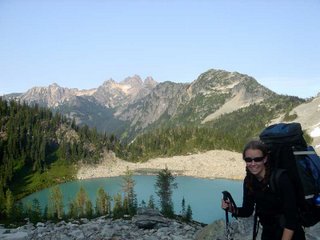
The next morning we were anxious to climb higher onto the peak. We were equipment for rock climbing only (i.e. no ice axes or crampons for snow) so we opted for the S. Ridge which appeared to possibly have a rocky sneak around to reach the rocky and snow-free ridgeline. We climbed for an hour or two, leaving the lake behind, and welcoming the closer views of the East Butresses and South col. We climbed high into a gully along a steep snowfield and stopped short of the crest as the rock quality decreased. Note: poor rock quality is the climber's way of saying ' shit was falling down all around me and everything I touched pretty much just broke off.' After attempting a couple of different lines and backing down for lack of sound anchors we, disheartened, reverse the loose slopes and returned to splendid Wing Lake. The day would have been long yet there is always something to do in the alpine and we occupied our afternoon traigulating and naming the peaks to our north and hiking to various viewpoints. The weather was outstanding, the scenery surreal – we were merely observers of the mountain land all about us.

While we didn't summit Black Peak, two nights at Wing Lake and three days of alpine travel with climbing and backpacking gear wore us out. A rest day was in order. Marblemount and Rockport provided food and showers; Bellingham friends led us to a keg party in the back of a barn full of locals, Park employees and alpine climbers. The weekend was apon us and tourists came out of the woodwork, so we headed back over the pass bound for the east side and the low-use (not quite deserted, but nearly so) Twisp River valley. More about our adventures to Kangaroo Temple to come.


Wednesday, July 26, 2006


Amongst the Peaks
and Streams and,
errr.... clearcuts


These last weeks I have found myself either busily planning for a trip or waiting patiently for a partner to come about. After Michelle returned to Seymour to finish off one more week of driving and logistical adventures I found myself once again weaving through Seattle traffic on a missionless return to the north. After nearly running out of gas amongst the bumper to bumper I decided I needed a plan. So I exited to th U District and found the perfect burger place with wireless internet. Its amazing how a few google searches can add clarity to an otherwise foggy day. It wasn't long before I was arching northeast towards the town of Index and the swimming holes of the Skykomish River.

After a few circles and a stop by the Ranger Station (which was no help) I found the finest of local swimming holes about 5 miles east of the deli at Index. Eagle Falls is top notch. Endless cliff jumps and the deepest pools yet, amazingly fun bouldering traverses high above the water, a rope swing, and water worn rock pools that form lounge chairs of all dimensions. Friendly locals directed me to the climbers camp at the base of the Index town wall. That evening I found more swimming – with Mount Index and Persis towering above.

After dinner I quickly delved into the guidebooks and maps in search of route information for the peaks that stood before me. Index's steep north walls would require rock climbing and a partner – the easier routes from the west looked brushy and long. I set my sights on a relatively easy and straightforward ascent of Persis via the West Ridge. I planned to beat the heat and get an early start.

In the morning I inventoried my snacks and found a stop at the Index general store a necessity – I waited until they opened. Armed with two guidebooks and a Forest Service map I expected no difficulties in route finding. Two hours later, after a hike up an abandoned logging road, 4-wheeling through clearcuts, and returning to the main road to reset my odometer I parked at the slight pulloff indicating the West Ridge trail. I hiked straight up through brushy clearcuts and tree farms in midday heat. Seems to be my standard story for approaches these days. All the while the hum of harvesting machinery and the beeps of loaders sounded from below. The patchwork of treeless swaths and access roads became sickly apparent as I climbed up onto the flanks of Persis. The valley below me, intermixed Forest Service and Weyhauser land, looked strained and denuded – resource extraction from the tallest ridges to the lowest basins superimposed an unnatural and angular infrastructure on the land. I climbed steeply, hoping to the leave the noise and emptyness behind.

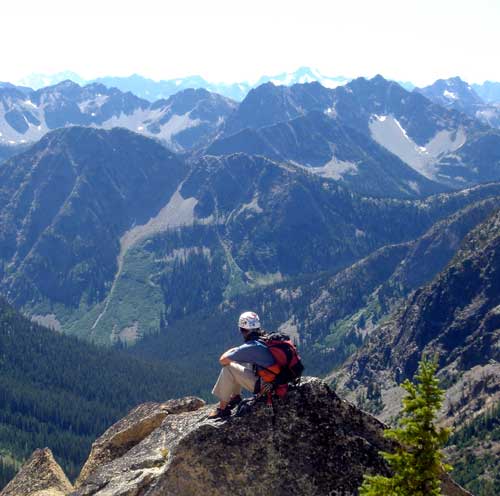
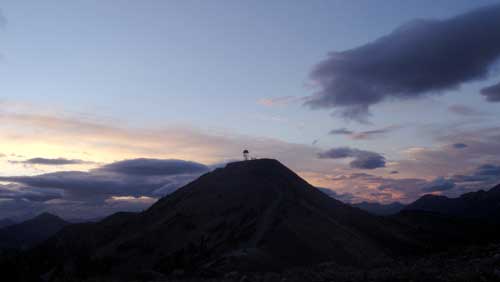
I gained a ridge and tall timber. I came across two small lakes after 2500 feet of ascending in less that two miles. After the lakes the trail was distinctly alpine in nature. As I made my way across talus and heather towards the summit clouds began to swirl up to me from below and Mount Index began to show its mighty buttresses and gullies. From the summit of Persis an impressive view of Mount Index is gained – one I will not soon forget.


Tuesday, July 25, 2006


Records Temps &
Washington Swimming

or Blue Eyes, Blue Pools


The rivers of Washington flowed with added allure this weekend. As Seattlites struggled through traffic and record heat Michelle and I escaped to the forks of the Snoqualmie River. I shared briefly in the traffic of the weekenders as I made my way from Bellingham to the Key Peninsula and back out across Tacoma towards the pass. I still forget that driving is a requirement for getting out. I-5 is a humble reminder to those of us Northwesters that are still under the false impression that traffic jams are confined to Southern California. I can assure you they are not. There is, up north, a strong urge to escape the city when the time comes. The traffic is reminder that I am not the only one yearning to swim in an undammed river or climb above the smog and clearcuts into the untouched alpine. Cars and roads take us there - so we drive.

Struggling through traffic in western Washington may come with extravagant rewards – services that are not found 30 minutes from comparable southern cities. The magical high Cascades give forth year round snow melt. These summer snowfields, guarded deep within range, fill the endless rivers and stream. Deep pools, cliff jumps, swimmable rapids, and ample flat rocks turn any hot summer day into a blissful and refreshing swim day.

Besides infinite swimming holes, the I-90 corridor also offers a few rock climbing destinations. We guessed our way to Mount Si and were rewarded with two clean and fun sport routes before the heat chased us back to the river. Sunday morning's breakfast, with my sister Alyson and Bill, took us well into the heat of the day. Easy decision: skip climbing, straight to the next deep blue pool. We guessed that this summer Sunday, with the sun high and hot in the sky, was the busiest day of the season for the deep pool we lounged beside.

Add a few random forest roads and scouting for future scary adventures (note Mount Garfield below - Beckey's guide book calls the routes on this peak 'masochisitic and serious endevours'). The forest is still welcoming the continuous stream of visitors. For thoughs of us used to having it all to ourselves it is weekends like these that remind us to share.

Friday, July 21, 2006


Liberty Bell and South Early Winter Spire
Mountain climbing in the Subaru's backyard


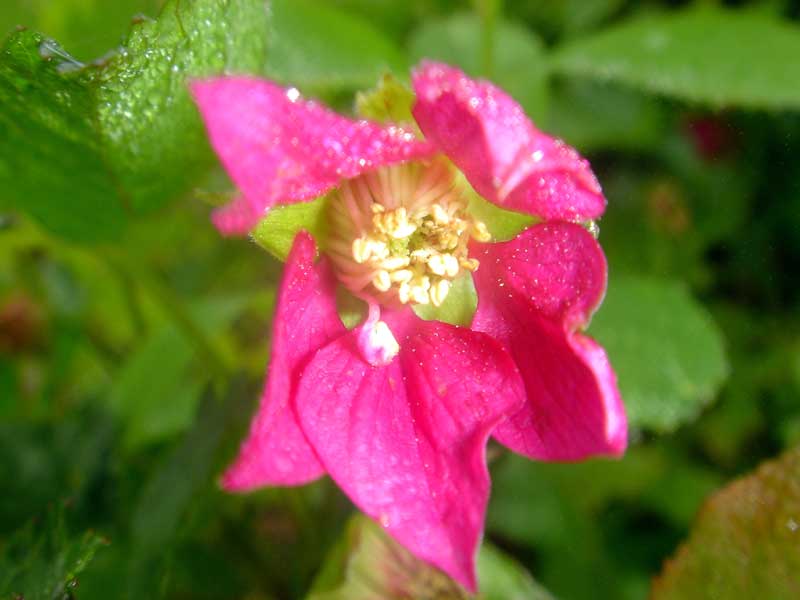
My Cascades adventure has begun. The weather in northwestern Washington is nothing short of perfect, the Subaru is running well, and I have gear for just about anything. At the beginning of last week I started with an attempt of Sahale Peak. I went to sleep under crystal clear skies only to wake up to clouds boiling up from the valleys below. After 4 miles and much elevation gain I was deep in the clouds. Visibility was poor and I abandoned my climbing mission and turned to naturalizing amongst the boulders and alpine trees of Cascades Pass. Heather and columbine mixed with many other flowering high elevation gems to form a mat of distinct color and texture. The dense fog only added to the effect and I found myself saying 'now this is the Cascades.' I ambled slowly back down to the trailhead, finding a huge marmot along the way, and taking pictures of plants I didn't know off hand to reference later.

Back in Bellingham I started the partner search for something a bit more adventurous. Luckily my good friend Anitra had put me in touch we her roommate and alpine partner, Misty. We made plans for the classic 'alpine cragging' zone of Washington Pass. Fortunately for me Misty was excited to get on the same routes I had my eye on – the weather was shaping up.

Two days, two great peaks. Liberty Bell via the classic Beckey Route, and then South Early Winter Spire via the Southwest Rib. Both of these routes were on great granite with outstanding views and fun climbing. The first day we used a double rope technique I've been excited to refine. On day two, citing the 400 foot knot we untangled the previous day Misty convinced me to return to the traditional one rope for the spire. We climbed fast and had fun and beat the heat. This area has immediately beacem one of my favorite climbing areas and I can't wait to get back up there – though Misty claims she's had her fill of the meadering Blue Lake trail for the year.


Photos: Fog at Cascade Pass, Early Winter Spires, Columbine, me with way too much rope for the route, & Misty showing off our secret weapon (a 4.5inch cam used for the dreaded bear hug off-width pitch; which she led - well).


Saturday, July 15, 2006


The adventure continues up north

Canada is always a treat


Home is Bellingham today – and I couldn't be happier about it. Last night the sun went down late behind colorful clouds that hung over the bay. Downtown seemed to be lit by crisp and orange spotlights. I was happy to friend my good friend Ryan bartending at the Calalloo and happily drank the tall mojitos he muddled in front of me. After my intense two week trip in British Columbia I couldn't pick a better place to catch up with the finer things in life and enjoy a few days without being a leader.


Lots of notable things happened on my BC trip with LongAcre Expeditions. We backpacked through much more snow than expected, we skiied in blasting summer sun on a disappearing glacier served by roped tows at Blackcomb, the kids ripped apart some really hard routes at Squamish (this may have been the hardest things I've ever seen beginning students climb, were talkin' 5.11 slabs here), and we weaved through the normal nasty traffic of Vancouver to make the ferry to Galiano Island. From Galiano we traveled by sea kayak to a handful of islands around Wallace Island.


Sea kayaking, for me, was great (I guess the kids had fun too). I peppered our experienced guide with endless questions about currents and winds and rescues and paddling techniques. Sea kayaking is fairly new to me and I wanted to meld my knowledge of map reading and canoeing etc. into a new skill set for expedition kayaking. After a few days with Mark I think I've got it and am looking at a personal trip in early August. It felt great to be a neophyte at a new outdoor en devour. Plus: sea kayaks can hold just about anything and I'm dreaming of all the yummy food and field guides and toys that can be loaded into one. We're still looking for some fellow adventurers for the Vancouver Island sea kayak mission. August 1.
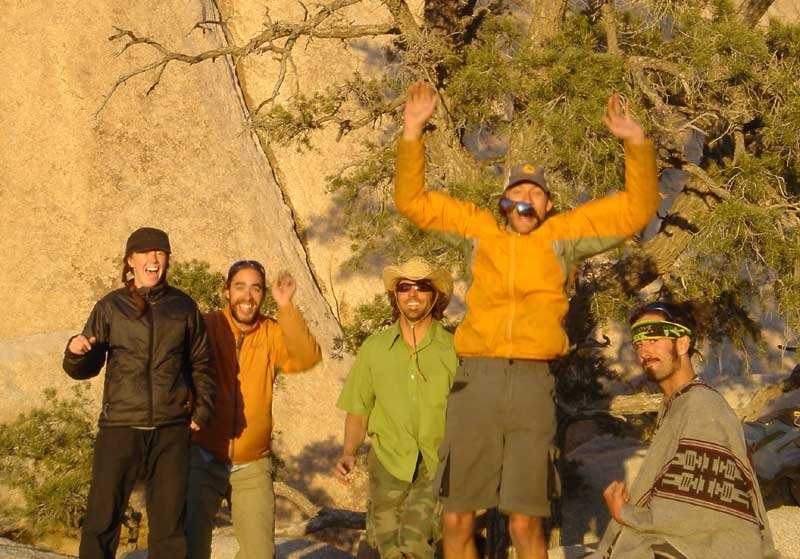

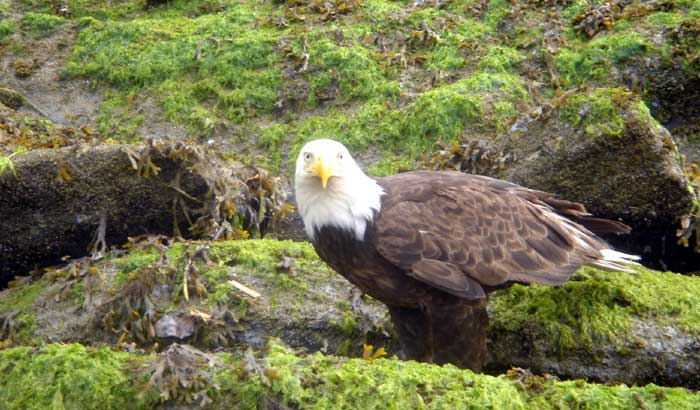
The pictures from this trip were few and far between. I find I don't take as many pictures when leading. Something about having kids in tow and just not focusing on capturing the moment on film. Also, it may have something to do with the large group – everybody's always snapping pictures so I feel less inclined to take some for my self. Nonetheless, The frozen glacial lake in Garabaldi Provincial Park was some of the most scenic countryside I've seen in a while. The bald eagle we came across while sea kayaking was almost a little too comfortable with us being there – I think I was actually scared when my boat continued drifting in closer and I had little I could do since I had brought my paddle parallel to the boat so as not to spook him. I sat there, uncomfortably close, waiting for the wind to puff my boat back into open water. I adjusted my rudder with the foot pedals ever so slowly and was able to turn nose in to shore so as to not pull up directly alongside. The nose of my polymer boat bumped the barnacles on the shore, the eagle stared directly at me. It seemed like an eternity before the boat began to slide back and away from shore – I dropped the camera in my lap and sheepishly backpaddled with my hands. The sea kayak is indeed the perfect wildlife viewing machine.
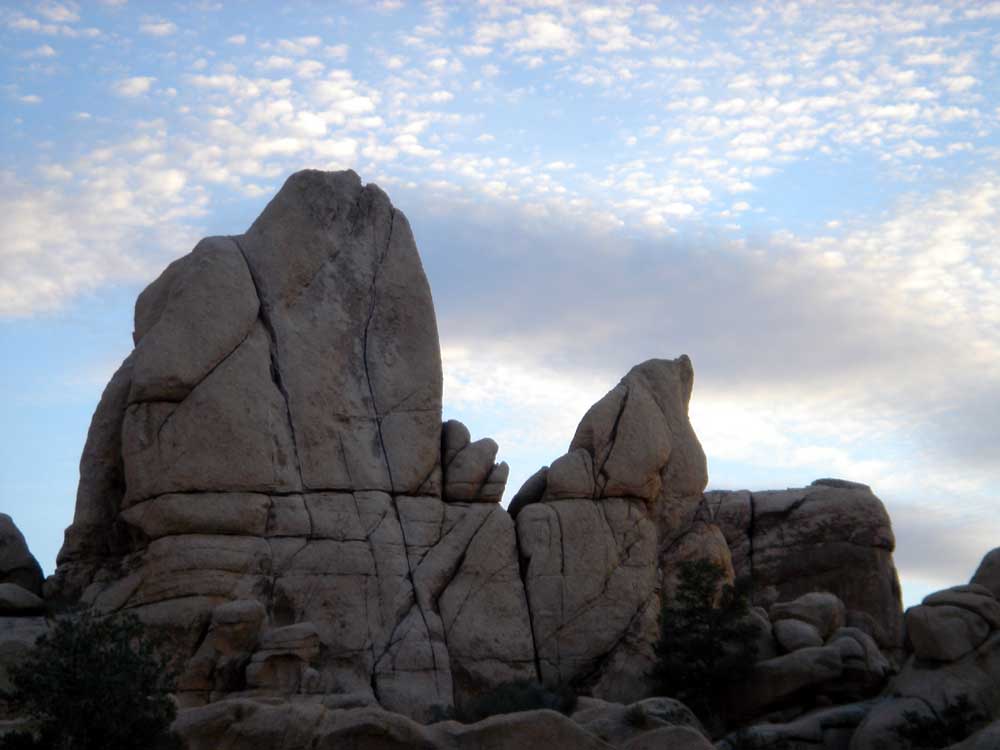
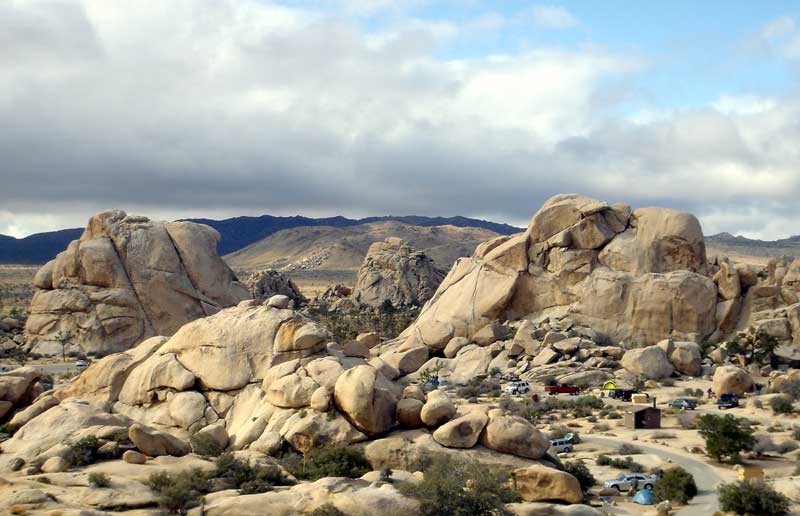
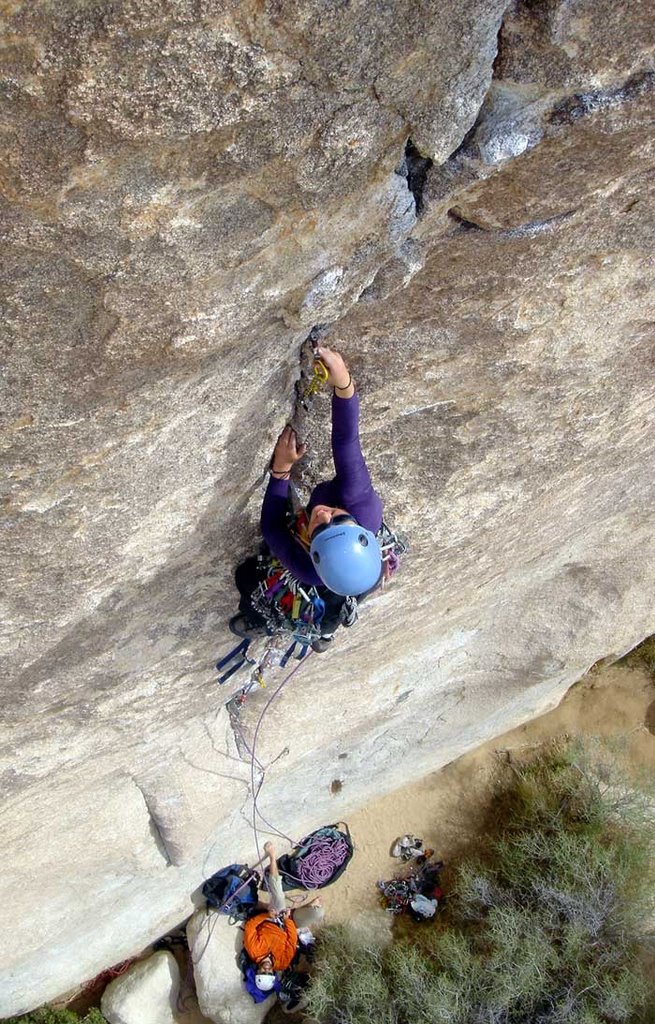

The summer continues with another backpacking trip up north – and then play play play. Keep in touch all!


Monday, June 26, 2006


On the Road Again....

Bend-Eugene-Bellingham- British Columbia


It has been a busy many days since departing Bend and entering into the world of Longacre Expeditions. New staff training was in a campus apartment in Eugene for four days. It kinda reminded me of the NAL warehouse – how did all these cool outdoors people end up here. But the city-life in Eugene soon ended and our small team of PNW leaders made our way up to Bellingham.

It felt great to be back in Bham. Basecamp up here is a sweet little studio with a view of bay and city and right downtown. The first night back in town I saw more people that I know than I can list. Feels like home; as so many places do for me these days. Bellingham is truely a big town with a small town feeling. If only it didn't rain all winter.

Once established up north we loaded up the 15-passenger and headed up to Squamish for more 'training' and climbing. Again, so amazing to be back in the places I enjoy so much and reminding myself I will be working up there for the next three weeks. Looks like it's gonna shape up to be a pretty nice summer.

One last thing: with one free day in the North Cascades my new friend Pete and I decided on squeezing in a big mountain adventure. Because of our busy schedule we left from Bham for North Twin at 11AM, left the trail at 12:15 and proceeded to climb through clearcuts in the heat of the day for many miles. Not the best timing. Out of water before reaching the summit we were getting worked by the intense sun of the West Ridge. Fun climbing led us up through gullies and along exposed ridges. W climbed free and kept the rope in the bag just for any possible tricky parts we may encounter. That never happened – the climbing was comfortable and we reversed the route to stay out of the snow. The last few miles of the 15-mile, 5000ft day were pretty painful (to say the least) but the views of Baker and the Cascades and the aesthetic route were well worth it. Happy to be back up north. Free for the last week in July and looks like Michelle and I will be in Squamish and N. Cascades in August. Plus the Summer Meltdown in Darrington August 11th – see you all out there!.

~i


Photos: 1)Pete on the West Ridge of North Twin. 2)The Sea to Sky Highway (Credit: Pete Kraska). 3) North Twin; on the way home. 4) The Frisbee golf team at LongAcre Oregon Basecamp.

Links:
www.summermeltdown.com
www.longacreexpeditions.com

Friday, June 16, 2006

It's official. I have a B.S. in Natural Resources from Oregon State University.


My post graduation roadmap


I start work tomorrow.
I have all of August to climb.
N.A.L. fall.
Just bought tickets to Thailand.
November 13th, LAX.
3 months in Asia with my girl.

Tuesday, June 06, 2006

Naturalist-At-Large
Spring 2006


Finishing The Season In Style @ ElCapitan Canyon
Santa Barbara, CA


Thanks ElCap for the photo -
www.elcapitancanyon.com


Sunday, May 28, 2006


Life On The Colorado River:

The River Keeps on Giving, We Keep On Taking

Time flies out on the river. The weeks have been whizzing by this May as I move quickly from one N.A.L. trip to another. I have learned about the intensity of real desert heat. I have waited hours,patiently, for the cooling of the sunset and the reward of endless stars. I have reaffirmed my love for working with students outdoors. I have had days that didn't feel like work at all - thanks to the amazing energy and skill of fellow Natties and the unmatchable flexibility of the N.A.L. work day.

I have enjoyed being constantly immersed in the Colorado River ecosystem. The river, 1450 miles long and draining large watersheds in 7 southwestern states, is, even in its very changed state, a mighty forceful component of this continent. It touches everyone's life who life in this region - whether they know it or not. Spending my weekends in Vegas I imagine the pipe that drinks from Lake Mead the water to fill the fountains and pools.

I have paddled many miles - always a dam above me and below me. The river has become lazy, the massive amounts of water lay waiting and evaporating. Each held back pool warms the water, then the dam releases the coldest and clearest of the lake from bottom reaches. In this fashion the water is a chain of warm lakes and cold rivers like non-other. You can imagine how much this differs from the pre-1936 river. Before the Hoover Dam the river was of course tumultuous, but also very silty and warm. Its seasonal flooding recharged lowlands and maintained productive agriculture. Now-a-days, canals bring water out into the desert to water crops ranging from cotton to lettuce. These lands suffer from many ailments as they are depleted with nutrients and loaded with evaporated salts.

But don't let my digressions make you think the river is all lost. The new Colorado River has been good to me (and all of you) . It is now not only a manageable water resource, but a playground, and a classroom. And also a migratory bird route and a generator of comparatively greener power. The human impact on the Colorado River is lengthy discussion. The impact here is no different than across the globe. We humans use resources. For everything everyday. The Colorado River, when floating along between two mighty canyon walls peering through clear water into even deeper canyons below, seems infinite. It is not. It, like everything, can be used up.


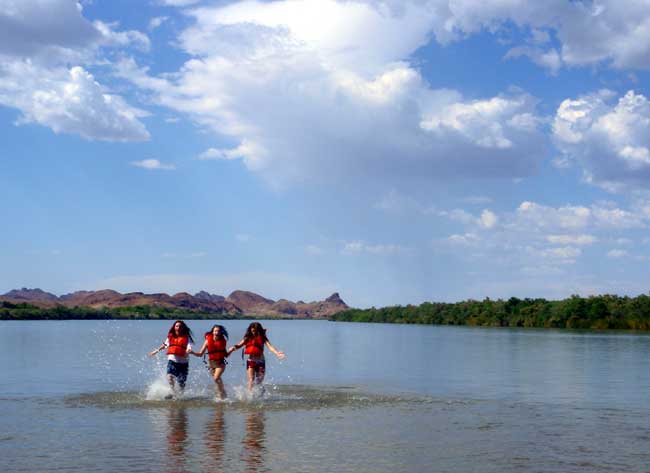
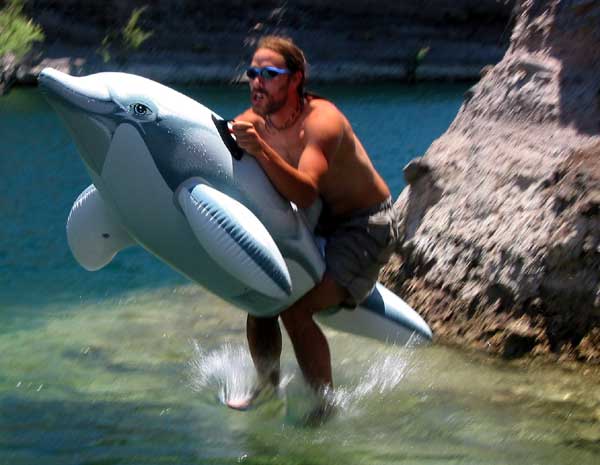
Photos: (1) Sunset reflection of Lake Mojave. (2) The Upper River Crew: L to R, Caitlin, Will, Quinn, me, Alok, Irene, and ElDoug. (3) L.A. students "reconnect" on a sandbar on the Lower River. (4) Staff debrief: delphinious surfing.


Saturday, April 29, 2006


The Lower Colorado River:
from Blythe to Yuma


The weeks are long - work is very busy with back-to-back weeks of Program Coordinating for NAL. Big drives: the Colorado River, Joshua Tree, Pinnacles National Mounument, and on to Salt Point State Park. School at Oregon State is mixed into my food buy weekends and I've all but given up on trying to write for the blog at this time. Be patient - pictures will always come along. Stories will come later. Viva California! Also, of note, I filled out my diploma paperwork this week. I are be a collage graduated soon.

Saturday, April 15, 2006


Photo: This is home. NAL natural history training at Indian Cove Group Camp, Joshua Tree National Park.

Saturday, April 08, 2006

The Life Continues....


First. Friends. It was bound to happen. My cell phone died. My ultra-handy-phonebook-of-friends was lost. Send me your number or better yet, give a call.

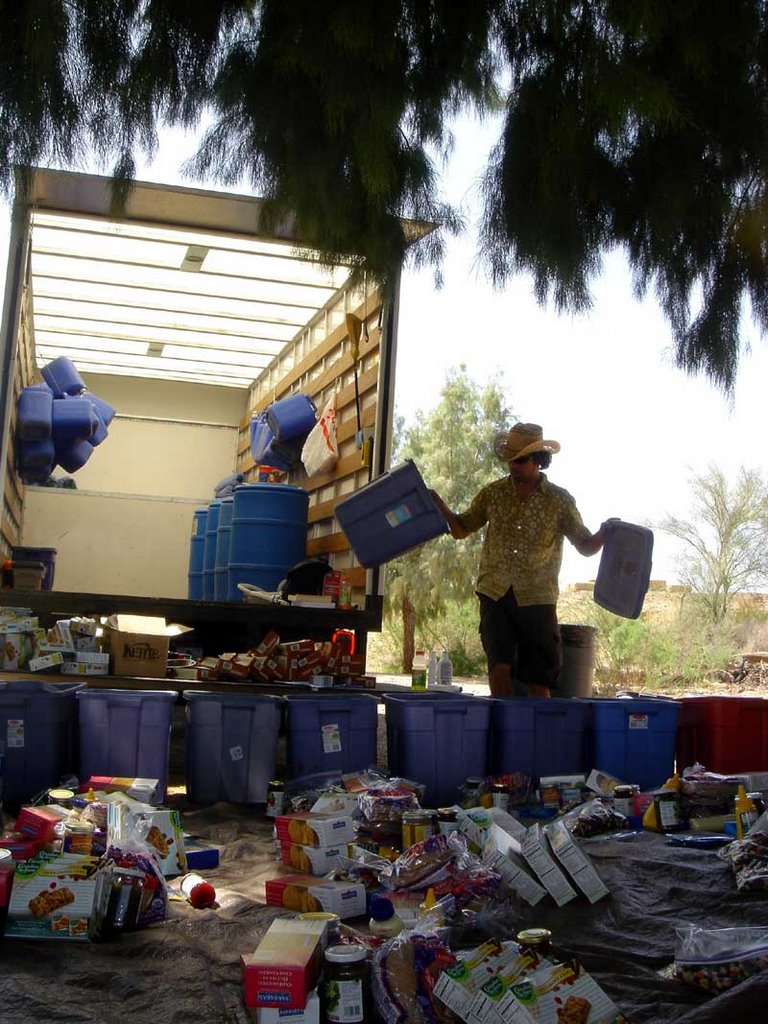
It was a eventful week on the Lower Colorado River with Alok and I running a kitchen out of Walter's Camp for two 70 kid groups. High winds caused many adventures and wild times for the river naturalists but I escape with a drive through a dusty wind storm in my favorite vehicle: the Super Cube truck.

Where did I head with free time on my hands? My home in the Hidden Valley of Joshua Tree of course. We were lucky to get a site and I was lucky to have such great folks to visit with. Fun climbing, great music, tons of NAL roadkill (aka leftover perishable food from program) in a cooler helping the life of the budget naturalist along. Climbing is great these days – the weather is what Joshua Tree dreams are made of. Blooms are just about ready to burst from the desert cactii. More work and play ahead. Life is good!


Photos: (upleft) Ian and Michelle 'climbing in the backyard.' Hands Off, Hidden Valley, JTNP. (L) Alok amidst Walter's Camp Kitchen. Colorado River Commissary Support, NAL. (R) Natty family after climbing. Michelle, me, Alok, Rob, and Yes-I.

Friday, March 31, 2006


Desert rock, mmmmm.....


It's amazing how fast time goes when the busy things of life start to compound one upon another. The end of my winter term at Oregon State and the beginning of my spring season of Naturalists-At-Large has left little time for conversing on the Internet. I have two trips behind me at NAL and a big season ahead. And while I'd love to pin my latest posting hiatus on work and sickness, the last week can only be attributed to my immersion in the Joshua Tree climbing life.

I'm back in Hidden Valley campground. Here again, climbing harsh granite and routes steeped in history. Living in a community of friendly climbers and good people, where its not unlikely that a walk around the 45-site loop will reunite one with at least a handful of long-time seen fellow adventures. For those folks you don't see its time to get an update of their whereabouts from the kind mix of hearsay and gossip past through the informal fireside conversations of fellow educators, climbers, and thoughtful desert-rats.

Once one settles into the Hidden Valley camping life going to town in something that one dreads. A parked car is a beautiful thing and rare treat for me. So when I finally pulled the $1200 Subaru into the spacestation site of Hidden Valley I was content to resign myself to the internetless/phoneless life of desert dwelling. Awe... a short walk in any direction from home will deposit you at another Joshua Tree challenge. Climbing is all-around during the day, friends and fires and music is all-around at night. Bluegrass bands show up with an upright bass, old friends show up with a mission for the Chasm of Doom, food gets shared over a campfire, and the easy life of Jtree is again a part of my life.

Photos: (L) Sunshine in bigwall training mode on Hot Rocks.
(R) Scotty smiles at the rickety gear and a good stem on M & M's Plain.

Wednesday, March 08, 2006


The success of the Pit:

or What still makes Bishop rock


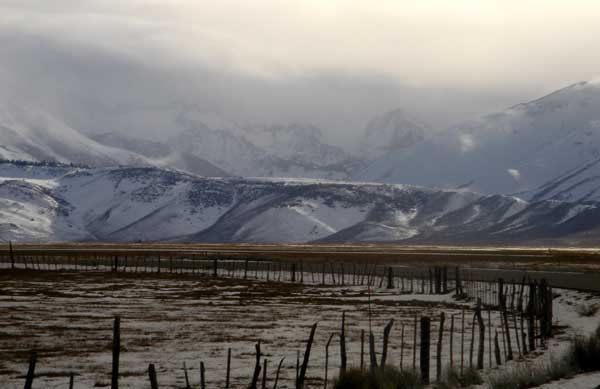
Photo: Mt. Tom (R) and Mt. Basin when I awoke this morning at the edge of the Pit.


We'll I've been pretty much mobile since the beginning of this term, with few problems in connectivity (wireless internet is indeed everywhere). Although I have been consuming my fair share of fuel lately I feel like my lifestyle does indeed exemplify "doing something with less". I am not the only one.

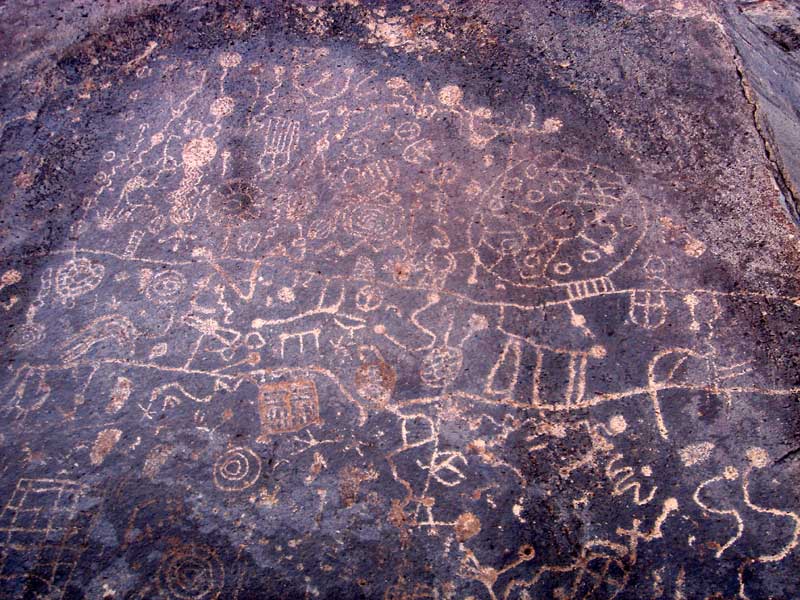
The Pleasant Valley Pit Campground is just outside of Bishop, CA. Pleasant Valley is the valley immediately down from Owen's River Gorge, where the river is/was free to finally meander across the high desert. From the pit's edge the views into the central Sierra are blocked only by the aforementioned powerlines and the striking summit of 14,000+ Mt. Tom is just miles to the west. This campground is something of an anomoly. It was created when the BLM and local climbing access groups saw the need to centralize camping and mitigate impacts on the fragile Tablelands area. The Tablelands is home to 1,000s of boulders of international rock climbing acclaim, though they also contain handfuls of amazing glyph sites and are of course home to many sensitive species.

Anyways, “the Pit” is just that - a pit from an old road building project. Climbers moved in and established trails and sites and basically an informal campground was born. This is when I first discovered it - around maybe 1997. Over the years the BLM has taken a larger part in managing the site. Adding bathrooms and dumpsters and a camp host. The fee is now $2 per vehicle - still a bargain though climbers did just informally manage the place for years. The addition of bathrooms spurred a heated debate at one time, so did the fee. Now a homeostasis has been reached. A 60 day limit has been imposed, very liberal since the FS still limits stays in any one place to 30 days. The camp host runs a recycling program. Now, climber's join Federal managers in trail building and clean-up days. Last fall, during an Access Fund sponsored native grass reseeding work party, I swung a polowski immediately next to the district ranger (in speeches later everyone championed how far up the chain the cooperation had gone).

Local climbers, that now live in town, have built a strong relationship with the FS and BLM, the Access Fund (a rock climber's premier preservation group) has aided locals with counsel and funding to make Bishop one of the most open-access rock climbing regions in the US. Other players like Los Angeles Power and Water and even local landowners have been quick to open discussions with climbers. All resulting in maintaining access and preserving the fragile arid Tablelands.

In our times of pessimistically musing about over-consumption and government inadequacy its good to remember the grassroots successes. Locally born and supported, these successful 'management consortiums' are indeed working. I've seen first-hand the collective preservation of both the ecosystems and the human experiences that are retained within our national natural resources.

First posted on an academic discussion board when I was asked: "How do you post from a campground?"
Other photos: (1)The Suby just above the Sad boulders with the impressive White Mountains in the background. The Pit and the Sierras are directly behind me. (2) Honestly I took this picture in the Tablelands. Looks like Arizona doesn't it. I'm not telling where these are.

Tuesday, March 07, 2006


Vagabond realities:

Replacing Mountain
Storms with Desert Sun


Time does fly when the snow is falling. Living life from the confines of a Subaru through winter storm after winter storm reduces one's life to what's important: keeping warm, drying gear, eating hot food, driving in nastiness, and skiing pow! That leaves little time to blog on and on about the intricacies of living out there. Though throughout my time chasing snow and free parking in Lake Tahoe I have come across some ' vagabond realities' or 'dirtbagian philosophies' – however you may call them.

First, gas is cheaper than a hotel. At first I felt bad about idling the engine to warm up or (more often) dry gear. Then I did the math. A gallon of gas for an hour of warmth is far cheaper than the price of a hotel in North Lake Tahoe (by about $88.45 in turns out). I also felt some remorse knowing I was consuming another bit of precious Middle Eastern or Alaskan fossil fuel. Again, that only lasted so long as I compared how each of your homes are heated. Besides my friends in the Pacific Northwest (who are blessed with ample hydroelectric power) most homes are heated with natural gas or electricity generated from coal-burning power plants. After many other comparisons my 2.2L gasoline engine started to seem pretty insignificant against the consumptive power of the US heating industry.

Second, a friendly restaurant or coffee shop with Internet access are well worth giving up a few federal loan dollars to. My classroom has become the local coffee shop, complete with local color and caffeinated busyness. But lately, what strikes me the most while sipping chai and debating the rigors of a federally mandated decision making structures is: how many other people are doing the same damn thing. In the Tahoe City coffee shop Syd's, peeking at screens revealed many other students focused in on online university websites near and far- the others are running a small businesses or managing their money or checking their e-mail or buying a car. What it all comes down to is that the Internet is changing everything.

Third, the station wagon is the smallest unit of shelter that can be comfortably managed as a home and living space. I've lived in a Volkswagen van, an Alta dorm room, and the smallest Bellingham studio in the world – all these places easily provided the needed shelter and warmth. The Subaru does little less, though I sometimes have to brave the elements to fire up the stove and cook. It has become so easy to lose sight of what is minimally needed to be comfortable and happy. I'm living proof that it doesn't take much. I will concede that my pricey synthetic wardrobe and bedding, coupled with the miracles of technologies (namely batteries and solid state electronics) make this lifestyle a lot easier. But, more important is the knowledge I will take from this part of my life when making decisions in the future. More space doesn't not equal more happiness.

A nice segue into the forth and last vagabond reality – more work equals more money, but rarely equals more fun, unless your fun is swimming in money like Scrooge McDuck. I can't help but come back to this topic again and again. Work gets in the way of a fulfilling life. People are often so amazed at my schedule (i.e. The last two weeks I have been skiing Tahoe without a care in the world). People are more amazed to hear I'm not family funded (&$%# my car costs $1200). More over, folks that know me well and get a look at my tax forms offer a quizzical look – how.... with an income like that? I say: easy. Refer to steps one thru three.